The Complete Beginner’s Guide to Shooting Sports
The Complete Beginner’s Guide to Shooting Sports
Shooting sports are far more varied than many people realise. For some, the attraction is the challenge of breaking a fast-moving clay target. For others, it is the precision of rifle and pistol competition, where the smallest details can make the difference between winning and losing.
From traditional country shooting grounds to world-class Olympic arenas, shooting sports have developed into a diverse international pastime enjoyed by people of different ages and backgrounds.
If you are new to the sport, knowing where to start can be difficult. There are different disciplines, competition formats, rules and traditions to discover. This guide explores the main forms of shooting sport, explains what makes each one different and looks at how newcomers can find an area that interests them.
Understanding the Different Shooting Sports
There is no single activity that defines shooting sports. The term covers several disciplines, each with its own character, history and competitive following.
Some involve moving targets, while others concentrate on precision against stationary targets. Some are enjoyed socially at local clubs, while others are contested at national championships and international events.
Clay Pigeon Shooting: The Challenge of the Moving Target
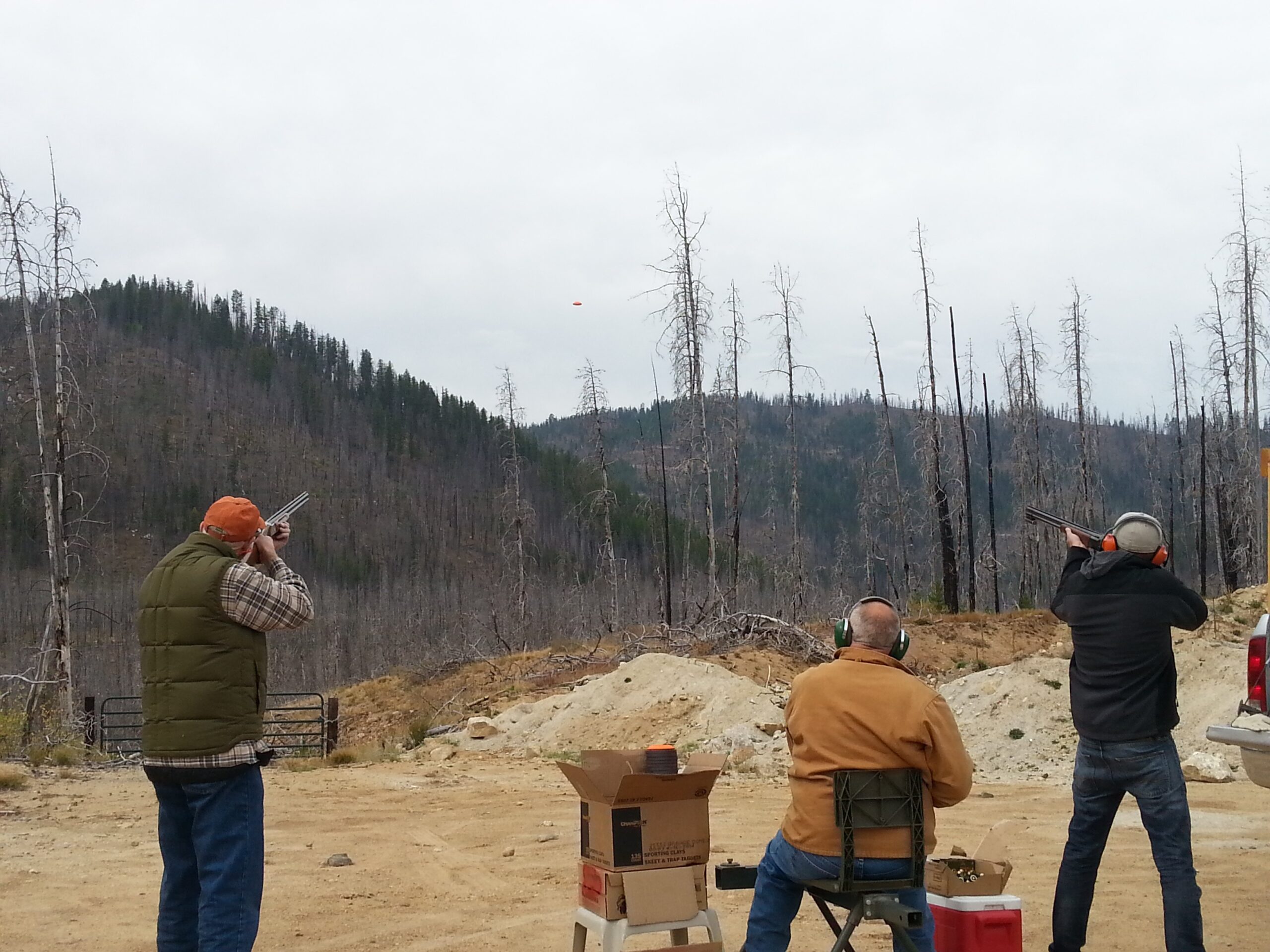
Clay pigeon shooting is among the most recognisable shooting disciplines. Rather than aiming at a stationary target, competitors attempt to hit specially manufactured clay discs launched into the air by mechanical traps.
The targets can travel at different speeds, heights and angles, making every discipline a different challenge.
Sporting Clays
Sporting clays is designed to provide variety. Competitors move around a course with different shooting stations, where they encounter a selection of target presentations. The experience often reflects the changing conditions and target patterns associated with field shooting.
Trap Shooting
In trap shooting, clay targets are launched away from the competitor. The direction of each target can vary according to the competition format, requiring competitors to respond consistently throughout the event.
Skeet Shooting
Skeet uses two target-launching houses positioned at opposite sides of a defined shooting area. Targets cross between them along established flight paths. The discipline has a structured format and is a recognised Olympic event.
For many newcomers, clay shooting is an appealing introduction because clubs often provide supervised introductory experiences.
Rifle Shooting: Precision and Consistency
Rifle target shooting is a discipline built around accuracy, concentration and repeatability.
Competitions take place at different distances and may use paper or electronic targets. Depending on the event, competitors may shoot from standing, kneeling or prone positions.
The sport has a considerable international following, with different organisations governing particular disciplines and competition formats.
Olympic rifle shooting includes events that demand exceptional consistency. Competitors are judged on their ability to place shots accurately within designated scoring areas, often under considerable pressure.
Beyond elite competition, rifle shooting is also practised at local clubs, where participants can take part in organised events under appropriate supervision.
Pistol Shooting: A World of Competitive Disciplines
Pistol shooting is another major part of international target sport.
There are several competition formats, including precision events and timed competitions. Each has its own rules, target arrangements and scoring systems.
At the highest level, international pistol competitions attract athletes from across the world. Olympic events include both precision-focused and rapid-fire disciplines.
Although the different formats may look similar to an unfamiliar viewer, they require different approaches and present distinct competitive challenges.
Air Rifle and Air Pistol Shooting
Airgun shooting has an important place in both recreational and competitive sport.
Air rifle and air pistol competitions are particularly associated with precision target shooting. International events, including the Olympic Games, demonstrate the high level of concentration and consistency required.
Airgun disciplines are also offered by many clubs and sporting organisations. The equipment and rules vary according to the particular discipline, so newcomers should always seek appropriate guidance before taking part.
Shooting Sports at the Olympic Games
Shooting has a long association with the modern Olympic Games and remains one of its established sporting categories.
Today’s Olympic shooting programme includes rifle, pistol and shotgun events. Competitors represent their countries and compete under internationally recognised rules.
For spectators, the sport can be fascinating because the margins between competitors are often extremely small. A single result can change the standings, particularly in events where athletes must maintain accuracy over a series of rounds.
The Olympic competition also provides an opportunity to see several different shooting disciplines at the highest level.
What Makes a Good Shooting Sports Competitor?
Although the disciplines differ, there are qualities that appear throughout the sport.
- Concentration: Competitors need to remain focused, particularly during long events where maintaining attention is essential.
- Consistency: Success is rarely about producing one outstanding performance. It is about delivering reliable results throughout a competition.
- Patience: Shooting sports reward composure. Rushing decisions or losing concentration can affect performance.
- Discipline: Competitors must understand and follow the rules of their particular event, including all safety procedures.
- Sportsmanship: Respect for other competitors, officials and the sporting community is an important part of organised competition.
Different disciplines also place different physical demands on participants. Balance, posture, stamina and general fitness can all be relevant.
Safety Is Central to Every Shooting Sport
Responsible participation begins with safety. Every discipline has established procedures designed to protect participants, spectators and staff.
Anyone new to shooting sports should begin through a reputable club or authorised sporting facility, where introductory instruction and supervision are available.
Safety requirements vary between disciplines and countries, but participants should always:
- Follow the instructions of qualified instructors and range officials.
- Observe the facility’s handling and range procedures.
- Use the protective equipment required for the activity.
- Respect designated safety areas and range boundaries.
- Understand the rules and legal requirements applying to the equipment and discipline.
- Never participate without appropriate supervision or authorisation where required.
Safety should never be treated as an optional part of the sport. It is fundamental to maintaining the reputation and future of shooting sports.
How to Get Started in Shooting Sports
The best way to discover whether shooting sports are right for you is to find out what is available locally.
Many clubs welcome enquiries from people who have never participated before. Some offer introductory sessions, while others allow prospective members to watch competitions and speak with existing members.
Before choosing a club, consider the following:
- Which shooting disciplines does it offer?
- Does it provide introductory sessions for beginners?
- Are suitable instructors and supervision available?
- What are the membership arrangements and costs?
- What equipment or facilities are provided?
- What experience and qualifications do its instructors have?
It is also worth attending a competition as a spectator. Seeing a discipline in person can provide a much better understanding of how it works than simply reading about it.
Finding the Discipline That Suits You
One of the appealing things about shooting sports is the choice available.
Someone who enjoys outdoor sporting activities may find clay shooting particularly interesting. Those attracted to precision and structured competition may prefer rifle or pistol target events. Others may enjoy the technical and competitive nature of airgun shooting.
There is no need to decide immediately. Learning about the different disciplines, visiting clubs and watching competitions can help you discover which area interests you most.
The Future of Shooting Sports
Shooting sports continue to attract recreational participants and serious competitors around the world. Technology, international competition and changing sporting interests all contribute to the development of the disciplines.
At the same time, the traditions of concentration, discipline, accuracy and responsible participation remain central to the sport.
For newcomers, there is a great deal to discover, from the variety of local club activities to the excitement of major international championships.
The first step is simply to learn about the different disciplines and find a reputable organisation that can introduce you to the sport properly.
Shooting sports have a rich history, a worldwide following and many different ways to get involved. Whether your interest lies in clay targets, precision rifle competition or Olympic shooting, there is a whole sporting world waiting to be explored.