Understanding the Different Types of Clay Shooting
Understanding the Different Types of Clay Shooting
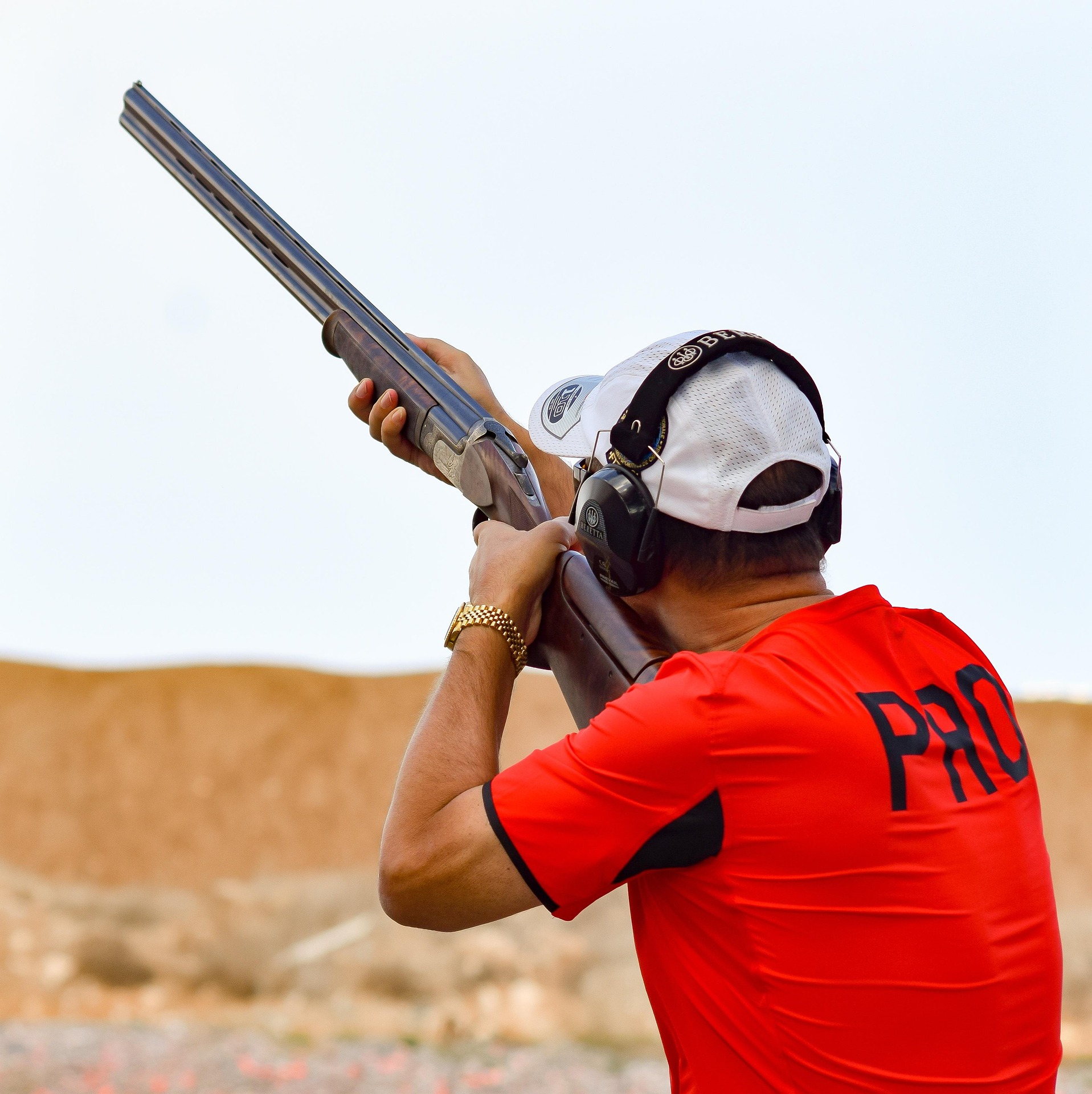
Clay pigeon shooting is one of the most popular and accessible forms of shooting sports, offering a range of disciplines for beginners and experienced competitors alike.
However, clay shooting is not just one discipline. There are several different forms of the sport, each with its own rules, target presentations and competitive traditions. Some offer a varied outdoor experience, while others follow a more structured competition format.
For anyone interested in learning more about the sport, understanding the differences between sporting clays, trap and skeet is a good place to start.
What Is Clay Pigeon Shooting?
Clay pigeon shooting involves attempting to hit specially manufactured clay targets launched into the air by mechanical devices known as traps. The targets are often referred to as clays or clay pigeons, although they are not made to resemble actual pigeons in the traditional sense.
Depending on the discipline, targets may travel at different heights, speeds and angles. Competitors are judged on how many targets they successfully hit according to the rules of their particular event.
Clay shooting takes place at dedicated grounds and sporting facilities, ranging from local clubs to major international competition venues.
Sporting Clays: Variety and Changing Challenges
Sporting clays is known for its variety. Rather than presenting competitors with one standard target pattern, a sporting clays course features a series of different shooting stations, each offering its own target presentations.
Targets may appear as singles or pairs and can follow a variety of flight paths. Some presentations are designed to imitate the movement of game birds, while others provide entirely different challenges.
This variety is one of the main attractions of sporting clays. Every course can feel different, and competitors must adapt to changing presentations throughout an event.
Sporting clays is particularly popular in the United States, although related forms of sporting clay competition are enjoyed in many other countries.
Trap Shooting: A Traditional Competitive Discipline
Trap shooting is one of the established forms of clay target sport. Targets are launched from a trap house positioned in front of the competitors, travelling away from the shooting line.
In common forms of trap shooting, the direction of the target varies, meaning competitors do not know precisely which direction each target will take.
There are several recognised variations, including:
- American Trap: A popular discipline in the United States, commonly organised around a line of competitors taking turns at designated shooting positions.
- Olympic Trap: An international competition discipline featuring a more demanding target presentation and a defined competition structure.
- Double Trap: A discipline in which two targets are released together. It has a place in the history of international shotgun competition, although it is no longer part of the current Olympic programme.
Trap shooting has a long competitive history and is enjoyed by participants at local, national and international level.
Skeet Shooting: Two Target Houses and Crossing Clays
Skeet shooting has a distinctive layout. Two target houses are positioned at opposite sides of a semi-circular shooting area. One is known as the high house and the other as the low house.
Targets are launched from these houses and travel across the shooting area along established flight paths.
Competitors move between a series of numbered shooting stations, following a set sequence during the competition. The targets and station arrangements are designed to provide a consistent format in which competitors are tested on accuracy and concentration.
Skeet is an established international discipline and features in the Olympic Games. Its recognisable layout and structured format make it one of the best-known forms of clay target shooting.
How Do the Three Disciplines Differ?
Although sporting clays, trap and skeet all involve moving clay targets, the way competitions are organised is quite different.
How Do the Three Disciplines Differ?
Although sporting clays, trap and skeet all involve moving clay targets, each discipline offers a different experience.
Sporting Clays
Features varied target presentations across multiple stations on an outdoor course. Competitors encounter different target speeds, angles and flight paths.
Trap Shooting
Targets are launched away from competitors from a trap house. The direction of each target can vary depending on the competition format.
Skeet Shooting
Targets cross between two houses positioned at opposite sides of a shooting area. Competitors follow a set sequence of numbered stations.
Each discipline has its own appeal. Sporting clays offers variety, trap has a strong traditional competition following, and skeet provides a clearly defined international format.
Each discipline has its own appeal. Sporting clays offers variety, trap has a strong traditional competition following, and skeet provides a clearly defined international format.
Clay Shooting as a Competitive Sport
Clay target shooting is enjoyed at many levels, from friendly club events to major championships.
International competitions are governed by recognised sporting organisations, with rules covering target presentations, equipment regulations, scoring and competition procedures.
Some of the most prestigious events attract competitors from around the world. Olympic shotgun shooting, for example, brings together leading athletes competing in trap and skeet disciplines.
Alongside elite competition, local and regional events remain an important part of the sport. They provide opportunities for people to participate, meet other enthusiasts and become involved in their local shooting community.
Safety at Clay Shooting Grounds
Safety is fundamental to clay pigeon shooting. All participants must follow the rules of the shooting ground and the instructions of range officials and qualified instructors.
People new to the sport should only take part through an appropriate supervised introduction at a reputable facility.
Safety arrangements vary between grounds and disciplines, but normally include designated handling areas, clear range commands, protective equipment requirements and procedures for dealing with equipment safely.
Visitors should familiarise themselves with the rules before participating and never handle equipment without permission or appropriate supervision.
Which Type of Clay Shooting Is Right for You?
There is no single answer, as each discipline offers a different experience.
People attracted to variety and outdoor courses may find sporting clays particularly interesting. Those interested in established competition formats may prefer trap or skeet.
A useful way to learn about the differences is to watch each discipline in person. Many clubs and shooting grounds welcome visitors and can explain the activities they offer.
For beginners, an introductory session with a reputable club is the best way to discover more about clay target shooting and understand which discipline might be of interest.
Discover More About Shooting Sports
Clay pigeon shooting is just one part of a much wider sporting world. From local club competitions to international championships, it offers a variety of disciplines with their own traditions and communities.
Understanding the differences between sporting clays, trap and skeet is a useful first step for anyone interested in learning more.
Whether you are a newcomer researching the sport or an enthusiast looking to explore a different discipline, there is plenty to discover in the world of clay target shooting.